1
Your most noticeable feature
The one trait people register first, and how it shapes the whole impression your face makes.
Your iris color is
Grayish Blue
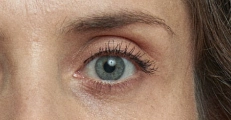
Eye Curvature
25-32 female
0.18
0% (You)
0.180.26
Moderately defined
Limbal Ring

QOVES
A human-reviewed facial-aesthetics report. Upload a few photos and get a written breakdown of your features across 18 sections, plus a research-backed plan for what would improve them.

LooksMax AI
A consumer looksmaxxing app. Upload a front and side selfie and get scores out of ten with one-word labels in about a minute, generated by a model with no specialist in the loop.
LooksMax AI asks for a front selfie and a side selfie, runs them through a model, and hands back an overall rating with six feature scores covering your eyebrows, lips, nose, skin, eyes, and face. Each score arrives with a percentile and a one-word label such as Siren Eyes or Moderate Buccal Fat. The whole thing takes about a minute, and the website is upfront about the job: "Find out how hot you are" (looksmax.ai, 2026).

Our test scan returned six feature scores with percentiles in about a minute.
It is popular. The Android version alone has passed ten million downloads (Google Play, 2026), and at 3.99 USD a week it is cheap to try (Apple App Store, 2026). As quick social entertainment it delivers exactly what it promises.
The catch is what sits behind the numbers. An automated selfie rating moves with lighting, angle, and camera distance, and there is no published evidence that a single score of this kind measures anything stable (The Conversation, 2026). The app's own store listing says it does not provide medical guidance and that its recommendations "are to be considered as mere suggestions" (Apple App Store, 2024).
QOVES starts from the same place, your photos, and does a different job with them. Specialists work through 18 sections of your face and more than 200 aesthetic tests, then write a report that explains what they found and what would improve it, grounded in published research (qoves.com, 2026). A single analysis processes nine standardized photos and more than 1,200 facial measurements before a specialist reviews the result. That takes up to 28 days, because a person is actually reading your face.

A QOVES analysis runs 47 modules and more than 1,200 measurements across nine photos, then goes to a specialist for review.
The difference is clearest in the detail. LooksMax AI covers your skin with one number and the label Healthy Clear Skin. The skin section of a QOVES report measures pore size region by region, along with oiliness, redness, pigmentation, and wrinkle depth, and sets each against your demographic (qoves.com, 2026).

Pore analysis in a QOVES report: average pore size mapped by region and scored against a demographic baseline.
Same selfie, two different products. LooksMax AI hands you a rating to react to. QOVES tells you what is behind your features and what would actually move them.
QOVES | LooksMax AI | |
|---|---|---|
What it is | Professional facial-aesthetics analysis | Automated face-rating app |
Built for | People who want an expert read | Anyone curious about their score |
How you use it | Upload photos, receive a written report | Take two selfies in the app |
Output | Written expert analysis plus an improvement plan | Scores out of ten with one-word labels and tips |
Human expert involved | Yes, every analysis reviewed by specialists | No, fully automated |
Depth | 18 facial sections, more than 200 tests | Six feature scores from two selfies |
Question it answers | "How is my face structured, and what would improve it?" | "What is my rating?" |
Pricing | 150 USD per year (qoves.com, 2026) | About 4 USD per week (Apple App Store, 2026) |
Turnaround | Up to 28 days | About a minute |
To its credit, LooksMax AI shows more than one number. Tap into a feature and you get a trait breakdown: facial symmetry, nose shape, facial thirds, canthal tilt, eye spacing. The vocabulary is real. Those are the same traits a professional assessment looks at, which is exactly why the app reads as more scientific than it is.

The face page from our test. Every trait resolves to a one-word label with no measurement behind it.
Look closer and each trait is a single word. High Facial Symmetry. Straight Nose. Ideal. There are no measurements, no landmarks drawn on your photo, no explanation of how the model decided, and nobody checks the output before you see it. The polish runs thin in places too. In our test the eyes page rendered a raw placeholder, [Missing "En.Eye" Translation], where the title should be.

The eyes page in our test, with an untranslated placeholder where the title should be.
The advice follows the same pattern. Whatever your scores, the tips lean on stock guidance about sleep, water, and sunscreen, and the product carousel points everyone at the same drugstore cleansers. One review of the Android app put the business model plainly: the app tells you your results are ready, then asks you to pay before you can see them (Uptodown, 2024).

Product suggestions in our test were generic drugstore items, unconnected to the scores above them.
There is also the question of who this is aimed at. The listing pitches the app as a coach for "elevating facial attractiveness" and tells users to become the best man they can be (Apple App Store, 2024). Researchers studying looksmaxxing apps warn that instant face-rating pushes appearance-obsessed standards at young men, and psychologists have described these apps as eroding a person's sense of self while charging for it (The Conversation, 2026; Fortune, 2024).

The subscription screen from our test. The US App Store lists the weekly plan at 3.99 USD (Apple App Store, 2026).
Use LooksMax AI if you want a quick score to react to and you will not put much weight on it. It is instant, it costs a few dollars a week, and the shareable score cards are the point.
Use QOVES if you want to know what is actually going on with your face. Specialists review every analysis, the findings link back to published research, and the report ends in a plan: what to change, what it costs, and what it is projected to improve (qoves.com, 2026).

The QOVES protocol closes the loop with a projected result, a timeline, an estimated cost, and the expected improvement.
The two get compared because both start with selfies and both talk about facial features. Underneath, one is a scoring loop built for engagement, and the other is a professional assessment built to be read once and acted on for months.
What QOVES actually does
Not a score out of ten from a sixty-second scan. A specialist read on your real features, and what would help them.
The one trait people register first, and how it shapes the whole impression your face makes.
Your iris color is
Eye Curvature
25-32 female
0.18
Moderately defined
Limbal Ring
See how your individual features work together to influence balance, symmetry, and overall harmony.
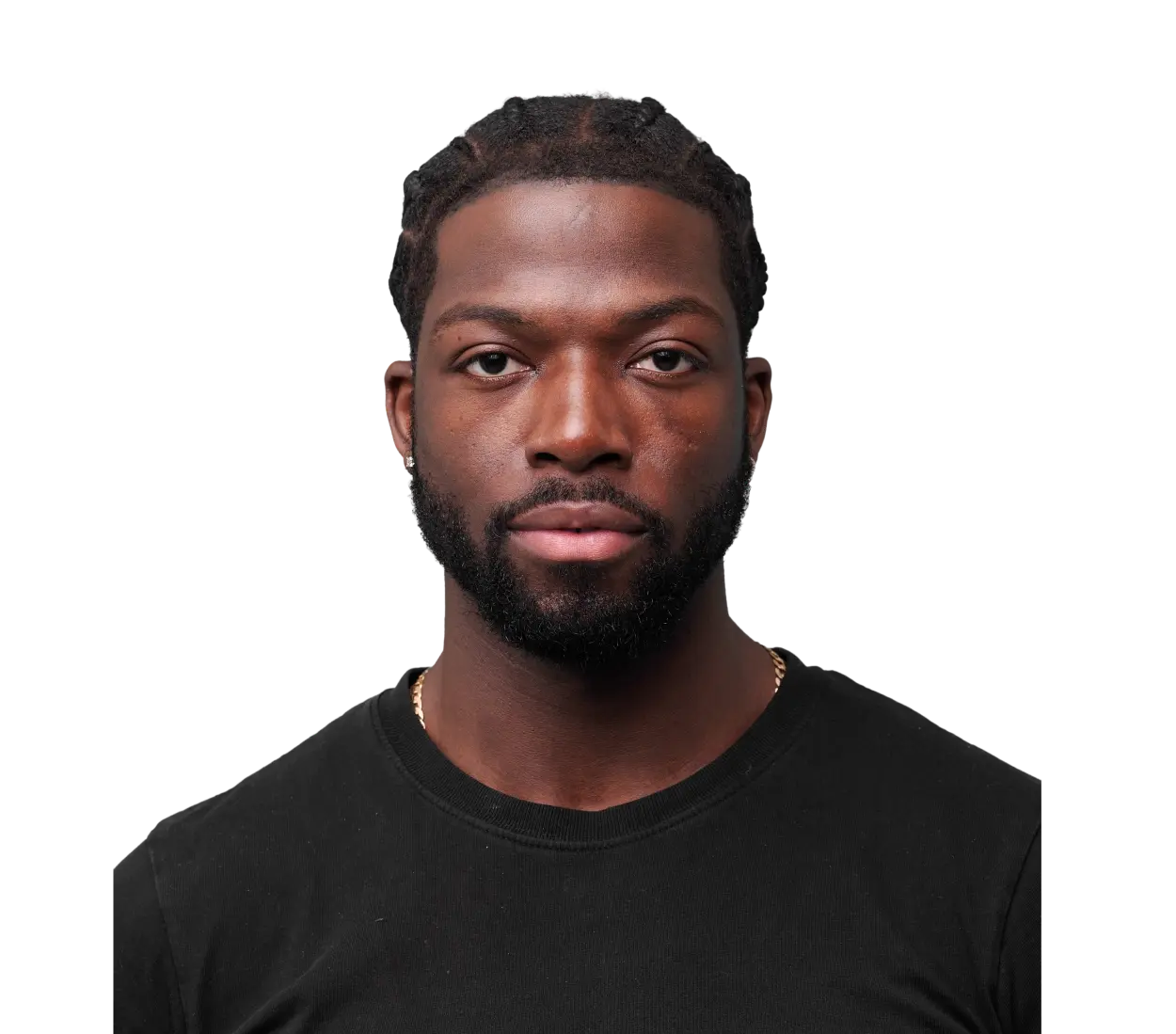
Lip roughness
56%
Rough (0%)
Smooth (100%)
Find out which of your features have the most room to improve, with research-backed guidance on what helps.
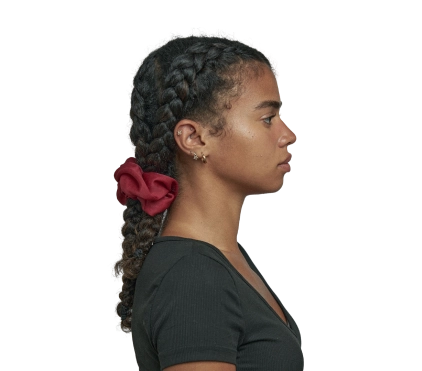
nose impression
Your nose shape leans more toward feminine features.
Projection
/100
Aquiline Nose
15-30%
Your Questions
Treat the scores as entertainment. Automated selfie ratings shift with lighting, angle, and filters, and there is no published evidence they measure anything stable (The Conversation, 2026). The app's own listing says its recommendations are suggestions rather than guidance (Apple App Store, 2024).
LooksMax AI is an app that scores your face out of ten in about a minute, automatically (Apple App Store, 2026). QOVES is a professional service where specialists assess 18 facial sections across more than 200 tests and write a report with an improvement plan (qoves.com, 2026). One returns a rating. The other explains your face and what would improve it.
The download is free, but the results sit behind a paywall. On the US App Store the weekly subscription is 3.99 USD, with one-time packs for extras like hairstyles (Apple App Store, 2026). One Android review noted you cannot see your results at all without paying (Uptodown, 2024).
Both get described with the same words: facial analysis, feature scores, improvement advice. LooksMax AI is also the most downloaded app in the category, with more than ten million installs on Android (Google Play, 2026), so it appears in the same lists. The overlap is in the vocabulary. An automated rating app and a specialist-reviewed report do different jobs.
Not really, in either direction. If you want an instant score for fun, QOVES is slower and costs more, because people do the work. If you want an assessment you can act on, a one-minute automated rating does not give you that. Pick by the job, not by the category label.