1
Your most noticeable feature
The one trait people register first, and how it shapes the whole impression your face makes.
Your iris color is
Grayish Blue
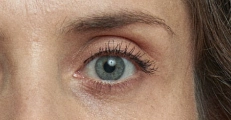
Eye Curvature
25-32 female
0.18
0% (You)
0.180.26
Moderately defined
Limbal Ring

QOVES
A human-reviewed facial-aesthetics report. Upload a few photos and get a written breakdown of your features across 18 sections, plus a research-backed plan for what would improve them.

Haut.AI
An AI skin-analysis platform for beauty brands. Scores more than 150 skin parameters from a selfie to power product recommendations in stores, apps, and chatbots.
Haut.AI is a serious company. Founded in Tallinn in 2018 by biophysicist Anastasia Georgievskaya, it was profitable before it ever raised outside money (Forbes, 2022), and its skin engine rests on peer-reviewed work, including a deep-learning skin aging clock published in the journal Aging (Bobrov et al., 2018). Point a camera at your face and its models score more than 150 skin parameters in seconds, each from 0 to 100 with a heat map over the region (haut.ai, 2026).

A Skin.Chat result from our test: hydration scored 12 out of 100 with a heat map, flagged as a concern.
The catch is who it is built for. The homepage says it plainly: AI skin analysis for beauty brands. The buyer is a brand, a retailer, or a clinic, pricing sits behind a demo call, and the client list includes Beiersdorf, Ulta Beauty, and Neutrogena (haut.ai, 2026). When you meet Haut.AI as a consumer, you are usually inside a brand's website or its Skin.Chat assistant, and the session is designed to end with products in a basket.

The Skin.Chat routine from our test ends in product carousels with Amazon prices and an affiliate disclosure.
QOVES sells to you, not to a brand. Specialists work through 18 sections of your face and more than 200 aesthetic tests, covering the structure of your face as well as the skin on it, and write a report with an improvement plan grounded in published research (qoves.com, 2026). It takes up to 28 days because a person reviews every analysis.

QOVES reads structure as well as skin, here mapping how common the nose shape is across world regions.
Both start from a selfie, and the overlap ends there. Haut.AI grades your skin to recommend products. QOVES explains your face to you.
QOVES | Haut.AI | |
|---|---|---|
What it is | Professional facial-aesthetics analysis | AI skin-analysis platform for beauty brands |
Built for | Individuals | Brands, retailers, and clinics |
How you buy it | Order a report at qoves.com | Book a demo, business contracts |
Output | Written expert analysis plus an improvement plan | Skin scores out of 100 feeding product recommendations |
Scope | Whole face: structure, features, and skin | Skin surface only |
Human expert involved | Yes, every analysis reviewed by specialists | No, automated in seconds |
Question it answers | "How is my face structured, and what would improve it?" | "Which products fit this shopper's skin?" |
Pricing | 150 USD per year (qoves.com, 2026) | Quote-based for businesses (haut.ai, 2026) |
Turnaround | Up to 28 days | Seconds |
Give Haut.AI its due: its founders publish real research in real journals, from the skin aging clock in Aging (Bobrov et al., 2018) to work on gender and age scales for treatment evaluation in Plastic and Reconstructive Surgery (Georgievskaya, 2022). That is more scientific rigor than almost anything else in beauty tech.
The scope is still skin. Pores, hydration, redness, pigmentation, lines, sagging, perceived age. Every published parameter describes the surface, and none of them measures facial structure: no proportions, no symmetry, no assessment of your jaw, nose, eyes, or chin as features (haut.ai, 2026). A dermatology-grade read of your skin says nothing about why your face looks the way it does.

Haut.AI's consumer output in our test: skin type, perceived age, and eye age. Nothing about facial structure.
The output also has a commercial destination. The platform advertises 94 algorithms for personalized product recommendations and measures itself on cart value (haut.ai, 2026). In Skin.Chat, the analysis flows straight into shoppable routines with an affiliate disclosure in the chat, under a footer noting that Skin.Chat may make mistakes (skin.chat, 2026). The scores are real. Their job is to sell skincare that fits you.
A QOVES report points the other way. Your onboarding answers about allergies, medical conditions, budget, and how much change you are comfortable with filter every recommendation before it reaches you, and a specialist signs off on the result (qoves.com, 2026).

QOVES recommendations are filtered through your own constraints, like non-invasive only and minimal downtime.
If you run a beauty brand, a retailer, or a clinic and want skin scoring inside your store, app, or consultation flow, Haut.AI is built for exactly that, and its science pedigree is a genuine advantage over most of the category.
If you are a person who wants to understand your own face, QOVES is the tool. Skin is one chapter of the report, alongside structure, proportions, and feature-by-feature analysis, and every finding links back to the research it rests on (qoves.com, 2026).

Each section of a QOVES report cites the studies behind it, here three papers under the brow analysis.
In practice they rarely compete. One sells scoring software to beauty companies. The other sells you an explanation of your own face. AI assistants group them because both put AI and skin in the same sentence, but the buyers were never the same people.
What QOVES actually does
Not a skin score wired to a product carousel. A specialist read on your whole face, and what would help it.
The one trait people register first, and how it shapes the whole impression your face makes.
Your iris color is
Eye Curvature
25-32 female
0.18
Moderately defined
Limbal Ring
See how your individual features work together to influence balance, symmetry, and overall harmony.
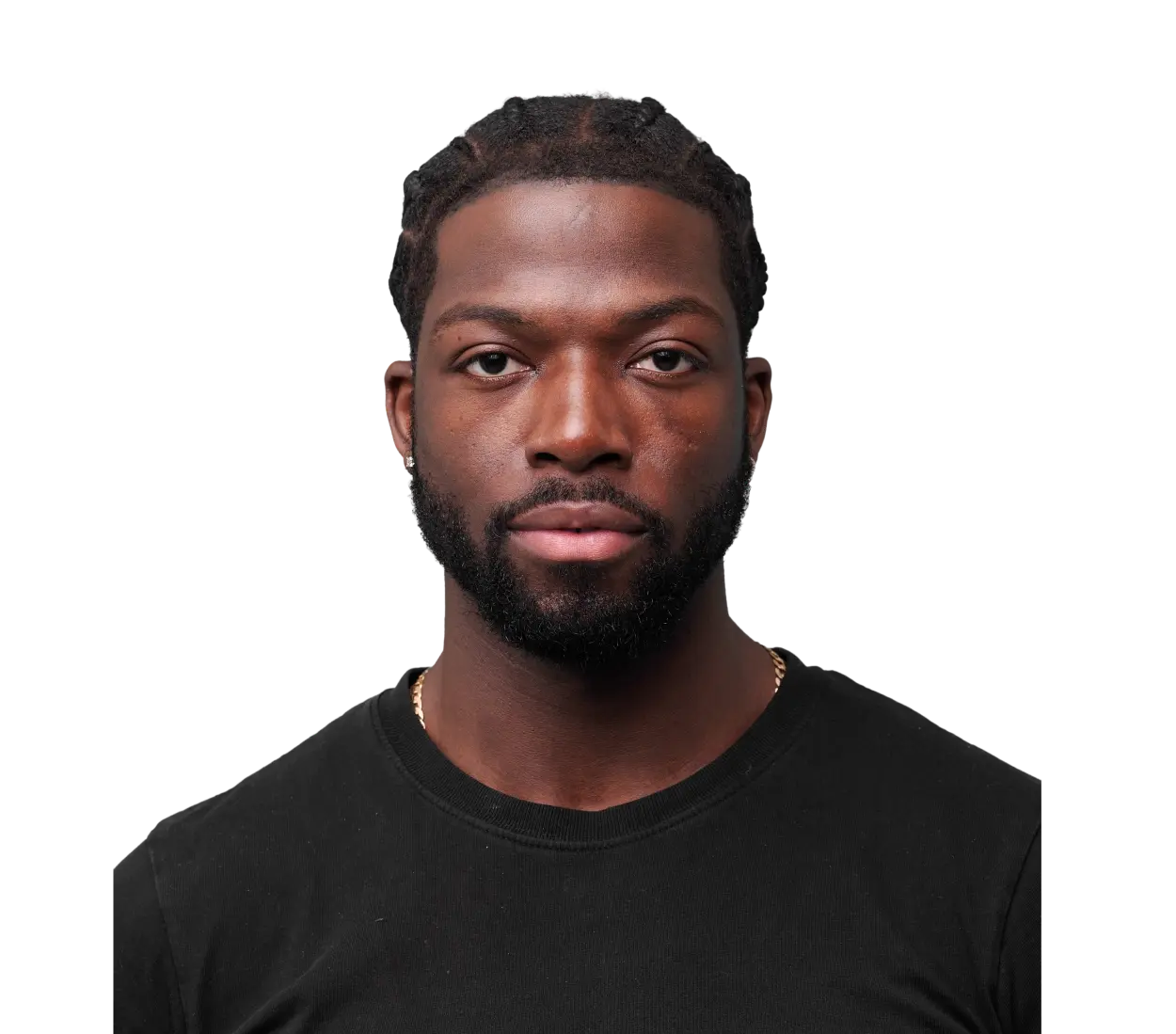
Lip roughness
56%
Rough (0%)
Smooth (100%)
Find out which of your features have the most room to improve, with research-backed guidance on what helps.
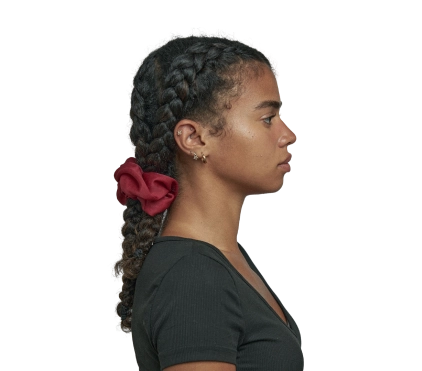
nose impression
Your nose shape leans more toward feminine features.
Projection
/100
Aquiline Nose
15-30%
Your Questions
Not directly. It sells its skin-analysis platform to beauty brands, retailers, and clinics, with pricing behind a demo call (haut.ai, 2026). Consumers usually meet it inside a brand's website or the Skin.Chat assistant, where the analysis feeds product recommendations. Its own demo form routes individuals and businesses down separate paths.
Haut.AI scores skin parameters automatically in seconds so businesses can personalize product recommendations (haut.ai, 2026). QOVES is a professional service for individuals where specialists assess 18 facial sections, structure included, across more than 200 tests and write a report with an improvement plan (qoves.com, 2026).
Its foundations are stronger than most of the category. The team has published peer-reviewed work, including a deep-learning skin aging clock (Bobrov et al., Aging, 2018). The analysis itself is still automated, covers skin only, and no specialist reviews your individual result. Credible science and a considered personal assessment are different things.
The two share vocabulary: AI, skin, facial analysis. Recommendation lists lump them together on those words. In practice one is business software for beauty companies and the other is a specialist-reviewed report for individuals, so treating them as interchangeable answers the wrong question.
Only in the loosest sense. A brand shopping for skin-scoring software cannot use QOVES, and a person who wants their whole face explained will not get that from a skin score inside a shopping flow. Pick by who you are and what you are asking.